Crochet Supplies
Yarn & Crochet Thread
From delicate cotton thread to beautifully textured yarn, discover the perfect materials for bringing timeless crochet patterns to life.
Explore Yarn & Thread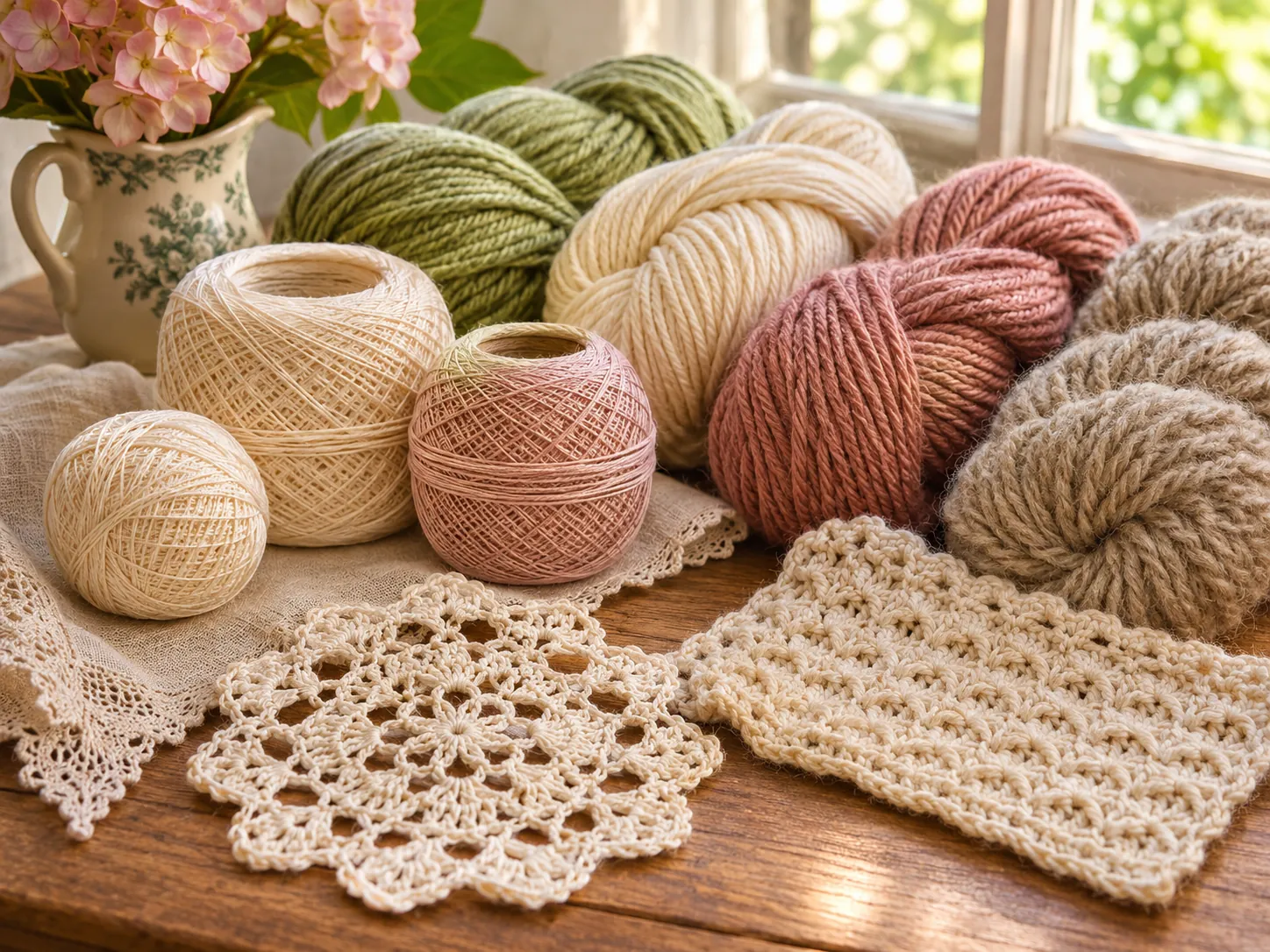
Find Your Perfect Material
Explore Yarn & Thread by Type
Discover the different materials available for everything from delicate vintage lace to warm, beautifully textured crochet projects.
Cotton Crochet Thread
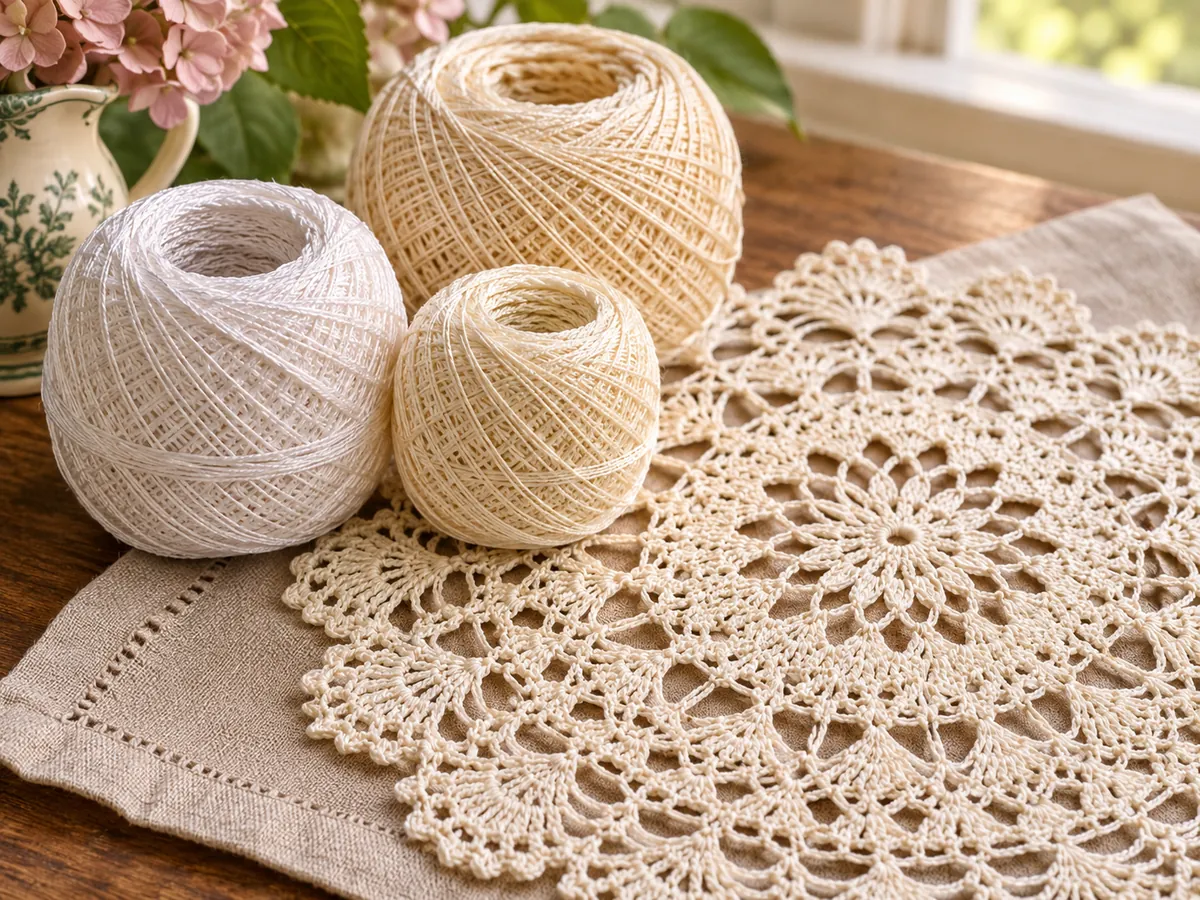
Discover smooth, durable cotton crochet thread for doilies, tablecloths, lace edgings, and other traditional projects.
Explore Cotton Crochet Thread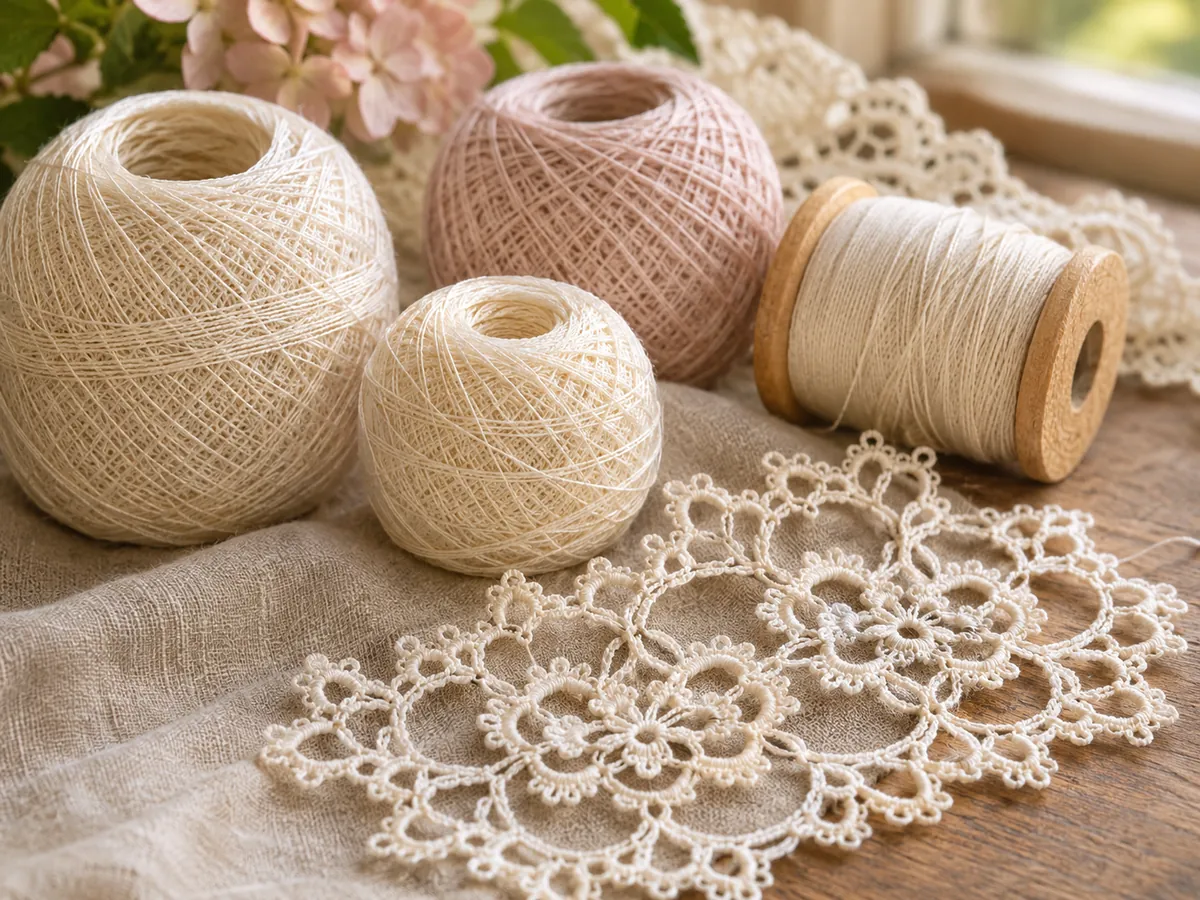
Fine Lace & Tatting Thread
Find fine threads for intricate lacework, delicate motifs, and beautifully detailed vintage designs.
Explore Fine Lace & Tatting Thread
Cotton Yarn
Explore versatile, breathable cotton yarn for garments, accessories, home décor, and everyday crochet.
Explore Cotton Yarn
Wool & Natural Fiber Yarn
Discover naturally warm, beautifully textured yarns for timeless garments, blankets, and accessories.
Explore Wool & Natural Fiber Yarn
Acrylic & Blended Yarn
Find practical, versatile yarns that offer affordability, durability, and convenient everyday care.
Explore Acrylic & Blended Yarn
Baby & Fingering Weight Yarn
Discover lightweight yarns for delicate garments, baby clothing, and finer crochet projects.
Explore Baby & Fingering Weight Yarn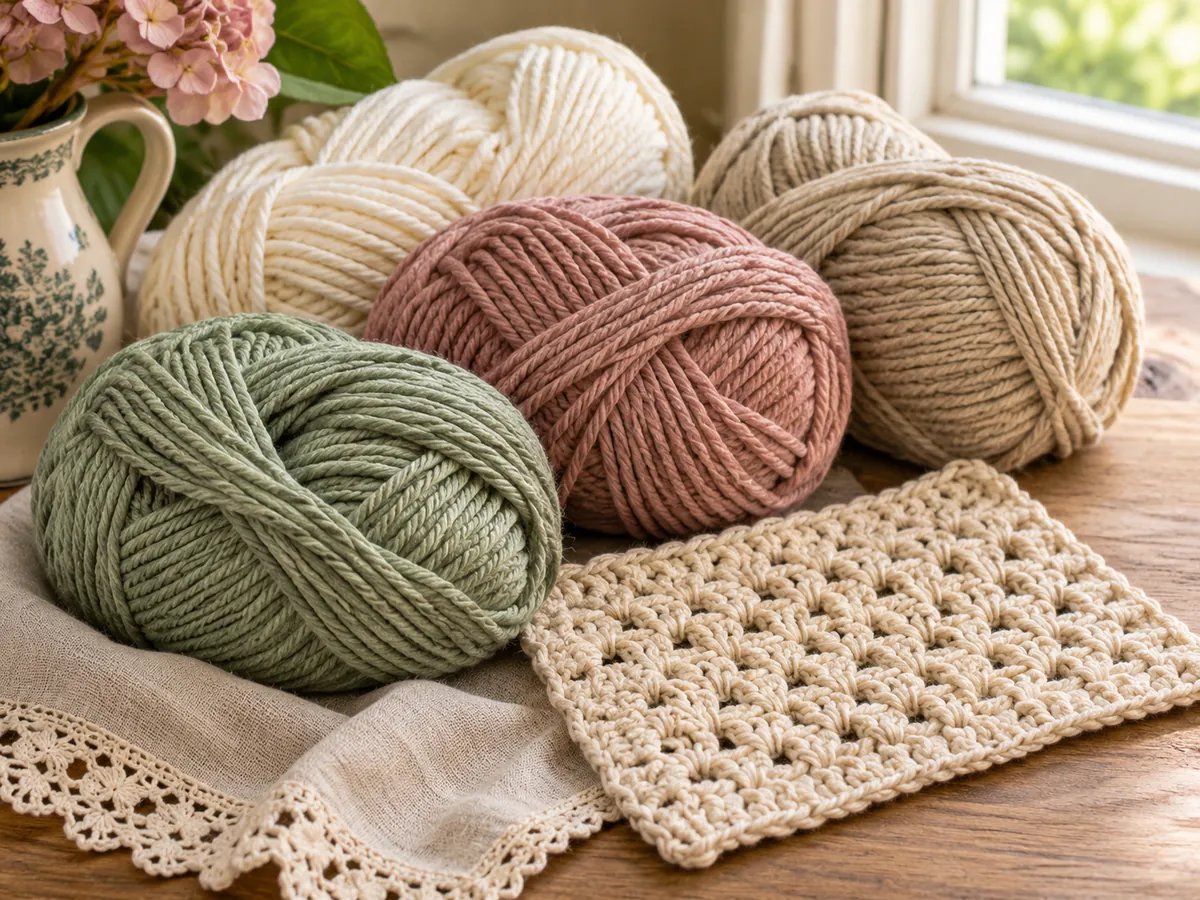
Worsted Weight Yarn
Explore versatile medium-weight yarns for afghans, blankets, garments, and many crochet projects.
Explore Worsted Weight YarnKnow What You’re Working With
Crochet Thread or Crochet Yarn?
Understanding the difference can help you choose the right material for your next vintage crochet project.
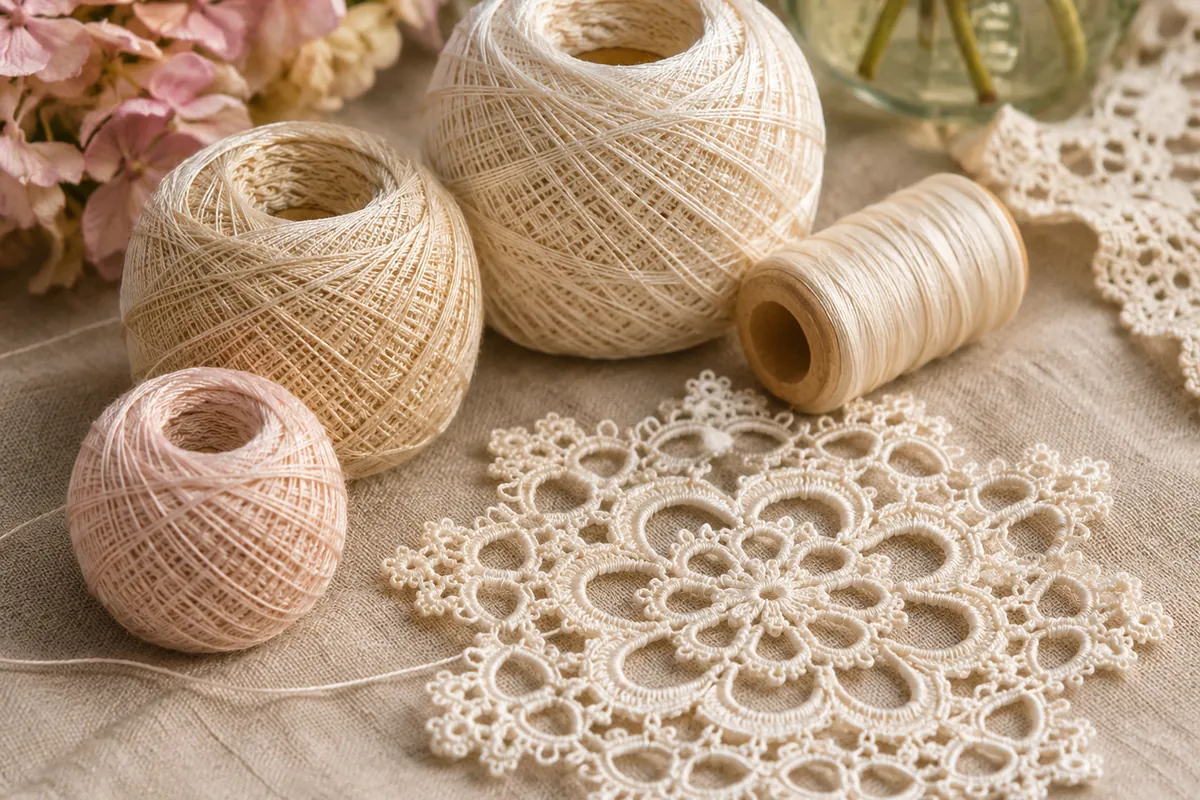
Crochet Thread
Crochet thread is commonly used for fine lace, doilies, tablecloths, decorative edgings, and intricate motifs. Within comparable sizing systems, a higher thread-size number generally indicates a finer thread; labels can vary, so check the manufacturer’s information.
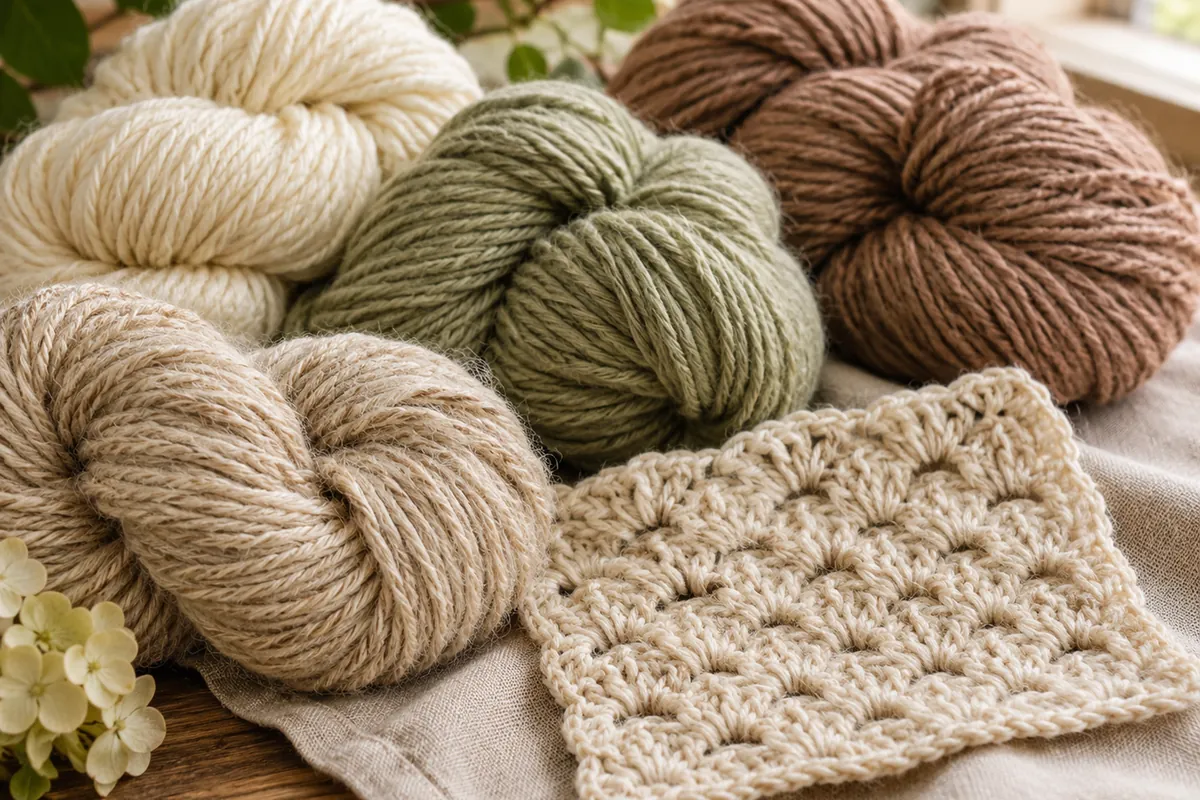
Crochet Yarn
Yarn comes in many weights and fibre types and is often used for clothing, blankets, accessories, and home décor. Yarn weight describes the strand’s thickness, not the total weight of a ball or skein.
Fibre, twist, construction, and gauge all affect how a yarn behaves. For a vintage pattern, compare the intended fabric and swatch rather than relying on a weight name alone.
A Useful Starting Point
What Are You Making?
Use this quick-reference guide as a starting point when choosing materials for a vintage crochet project.
| Project Type | Suggested Material | What to Consider |
|---|---|---|
| Doilies & Lace | Mercerized cotton thread | Fine detail and stitch definition. |
| Tablecloths & Edgings | Fine cotton crochet thread | Drape and consistent thread thickness. |
| Baby Clothing | Baby or fingering weight yarn | Softness and appropriate care requirements. |
| Afghans & Blankets | Worsted weight yarn | Warmth, durability, and gauge. |
| Summer Clothing | Cotton or lightweight natural fibre yarn | Breathability and drape. |
| Winter Clothing | Wool or blended yarn | Warmth and comfort. |
| Bags & Purses | Durable cotton yarn or thread | Strength and shape retention. |
Bridging the Past and Present
Can’t Find the Original Yarn?
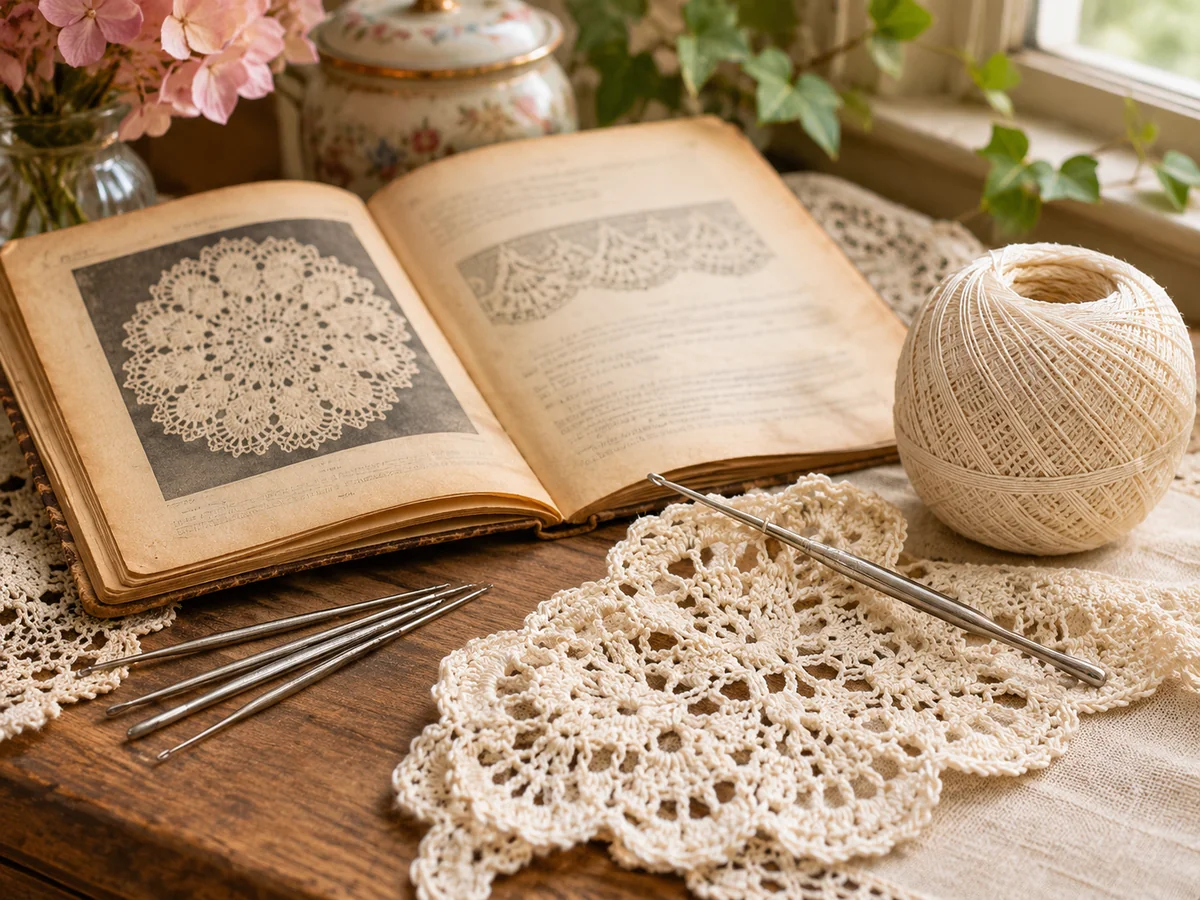
Many vintage crochet patterns reference yarn brands and materials that are no longer manufactured. Modern alternatives can sometimes work when yarn thickness, fibre characteristics, gauge, and the intended finished result are carefully considered.
Our reference guides help you make informed choices and bring historical patterns to life with modern materials. Keep the original instructions unchanged, and test a swatch before committing to a substitute.
Helpful Answers
Frequently Asked Questions About Yarn & Crochet Thread
Use the pattern, yarn label, and a measured swatch together when deciding what to use.
What is the difference between crochet yarn and crochet thread?
Thread is commonly used for fine lace and decorative work, while yarn spans a wide range of thicknesses for garments, blankets, and accessories. The labels are not a complete specification; compare strand thickness, fibre, and the pattern’s gauge.
What does size 10 crochet thread mean?
Size 10 is a common label for a fine crochet thread, but numbering and product details can vary. Check the maker’s label for recommended hook and yardage, and compare a swatch. See the Crochet Thread Size Guide.
Can I substitute modern yarn in a vintage crochet pattern?
Sometimes. Compare the original material, thickness, fibre behaviour, yardage, gauge, and intended finished dimensions. Make and measure a swatch before continuing; a modern yarn is not automatically an exact match. The Vintage Yarn Substitution Guide offers a careful starting point.
How do I know what yarn weight to use?
Start with the weight and gauge stated in the pattern, then compare the yarn label and a swatch made with the intended hook. Weight names are broad categories, so the resulting stitch gauge and fabric are important.
Is cotton or acrylic yarn better for crochet?
Neither is best for every project. Cotton can offer stitch definition and breathability; acrylic and blends may be practical for care, availability, or budget. Consider the pattern, feel, drape, durability, and care instructions.
How much yarn do I need for a crochet project?
Use the pattern’s yardage estimate as a starting point. Changes to yarn, hook, gauge, size, or stitch pattern can change the amount needed, so compare the label’s usable yardage and allow for the pattern’s stated requirements.
Why is checking gauge important?
Gauge affects the finished dimensions and fabric. A swatch shows whether your yarn and hook produce the pattern’s stated stitches and rows; this matters especially for garments and fitted pieces.
Continue Exploring Crochet Supplies
Everything Else You Need for Your Next Project
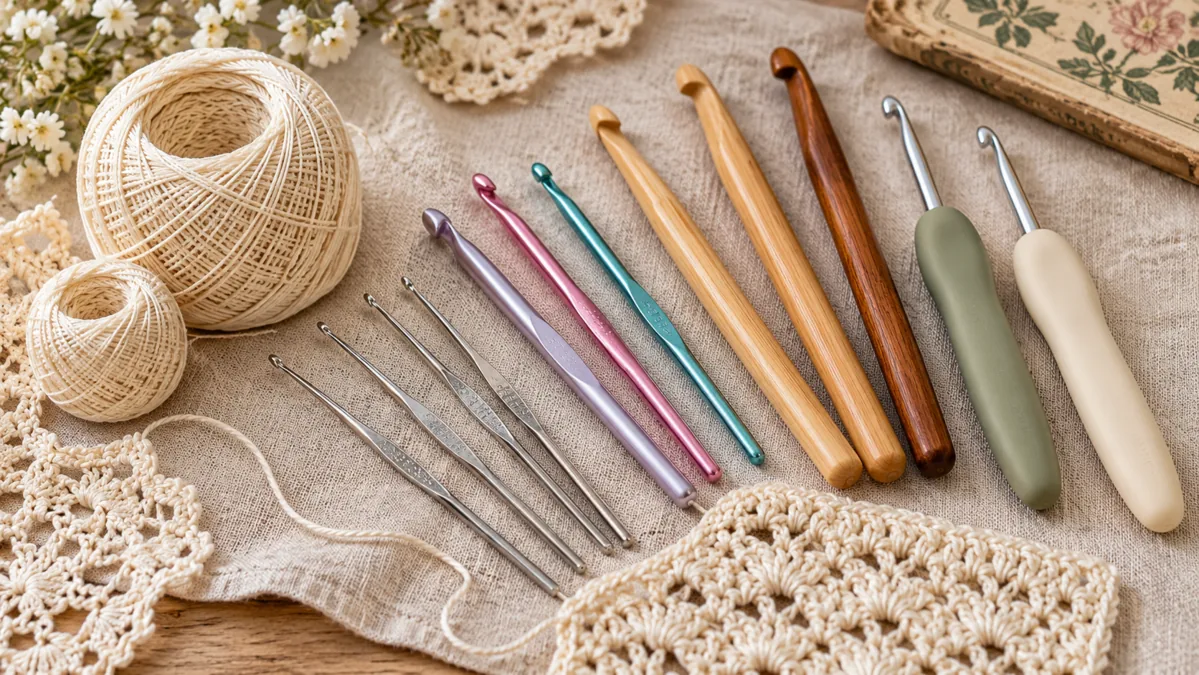
Crochet Hooks
Explore hook sizes, shapes, and materials for different crochet projects.
Explore Crochet Hooks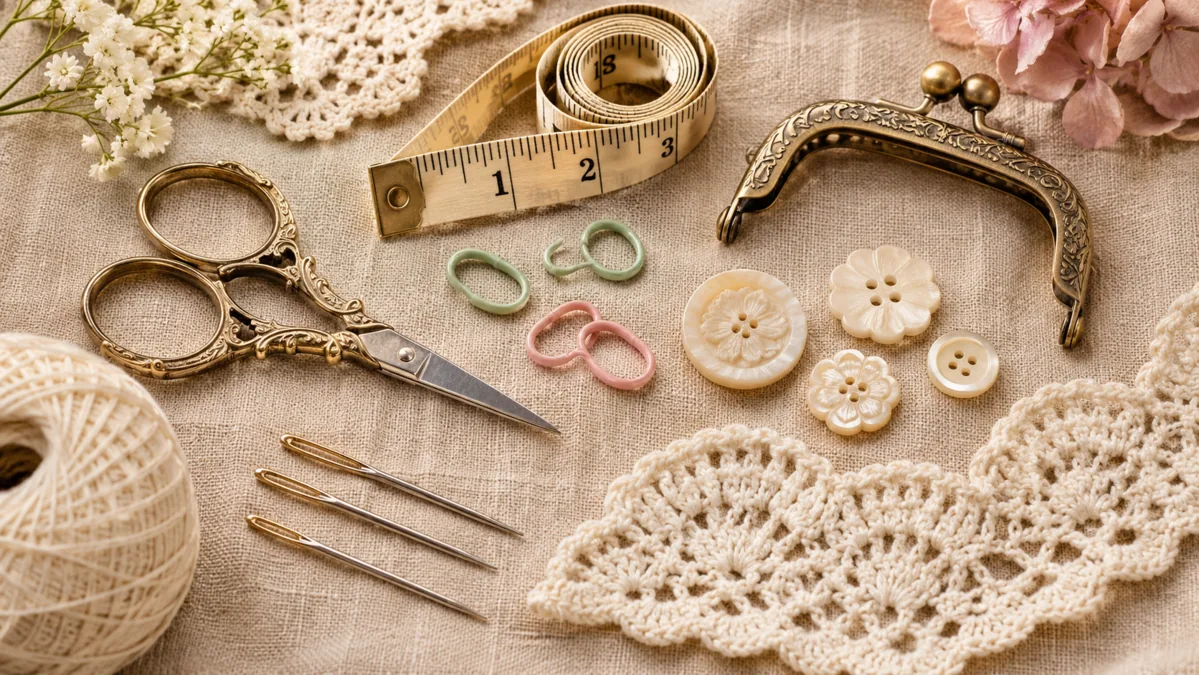
Tools & Accessories
Find practical tools and finishing details to support your next project.
Explore Tools & Accessories